







How to Choose the Right Strings for Your Guitar: A Beginner's Guide
Just got your first guitar as a holiday gift? Congratulations! One of the first things you'll need to learn is how to choose the right strings. Whether you're playing acoustic, electric, or bass, understanding string basics will help you get the best sound and feel from your instrument.
Understanding String Gauges
String gauge refers to the thickness of the strings, measured in thousandths of an inch. Lighter gauges (like .009-.042 for electric) are easier to bend and fret, making them ideal for beginners. Heavier gauges produce a fuller tone but require more finger strength. Most new players start with light or medium-light gauges and experiment from there.
Acoustic vs. Electric Strings: What's the Difference?
Never put electric guitar strings on an acoustic guitar or vice versa. Acoustic guitars use bronze or phosphor bronze strings that produce rich, resonant tones through the guitar's hollow body. Electric guitars use nickel-plated or pure nickel strings designed to interact with magnetic pickups. Using the wrong type can damage your instrument or sound terrible.
Trusted American String Makers
Quality matters when it comes to strings, and several legendary American manufacturers have been perfecting their craft for decades:
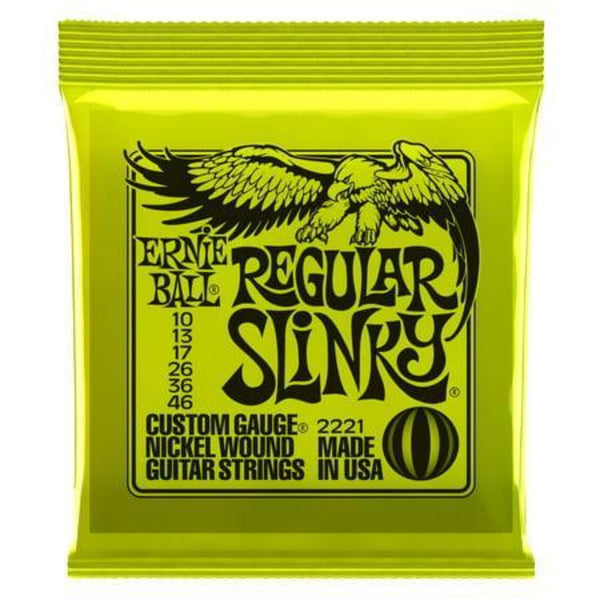
Ernie Ball – Made in California since 1962, Ernie Ball pioneered the concept of custom string gauges and remains one of the most popular choices for rock and blues players worldwide.
D'Addario – Manufactured in Farmingdale, New York, D'Addario is a family-owned company with over 300 years of string-making heritage. They're known for consistency, innovation, and their color-coded ball ends that make identification easy.
GHS – Proudly made in Battle Creek, Michigan since 1964, GHS produces everything from traditional roundwounds to their famous Boomers series favored by rock and metal players.
Stringjoy – A newer player based in Nashville, Tennessee, Stringjoy hand-winds custom string sets to order, allowing players to dial in their perfect tension and feel.
How Often Should You Change Guitar Strings?
Fresh strings sound brighter and stay in tune better. Most players change strings every 1-3 months depending on how often they play. If your strings look discolored, feel rough, or have lost their brightness, it's time for a fresh set. Keep a spare set in your case so you're never caught without them.
Restringing Time = The Perfect Time to Clean Your Guitar
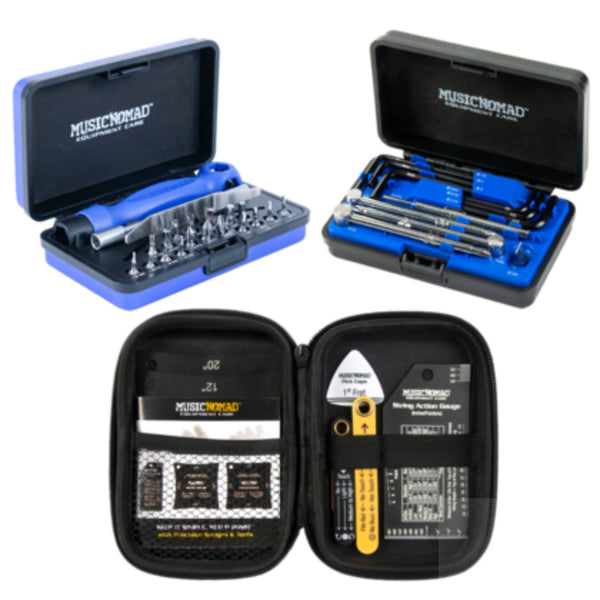
When your strings are off, you have complete access to your fretboard and body – the perfect opportunity for deep cleaning. Use a soft cloth and appropriate guitar care products to remove built-up grime from your frets and fingerboard. A clean guitar not only looks better but plays better and helps your new strings last longer. Check out our selection of guitar accessories for cleaning supplies, string winders, and other essential maintenance tools.
Ready to Restring?
Browse our complete selection of guitar strings to find the perfect set for your playing style. Whether you're looking for D'Addario acoustic strings, Ernie Ball electric sets, or premium coated Elixir strings that last longer, we've got you covered.
Still have questions? Stop by our shop in El Cajon or reach out – we're always happy to help new players find their sound.
Frequently Asked Questions
How often should beginners change guitar strings?
Beginners should change their guitar strings every 1-3 months, depending on how frequently they play. If you practice daily, aim for monthly changes. Casual players who practice a few times per week can stretch to 2-3 months. Signs it's time to change include dull tone, visible discoloration, difficulty staying in tune, or a rough feel under your fingers.
Should you clean your guitar when changing strings?
Absolutely! Changing strings is the ideal time to clean your guitar because you have full access to the fretboard and body without strings in the way. Wipe down the frets, clean the fingerboard with appropriate products, and polish the body. This routine maintenance helps your new strings last longer and keeps your instrument in top playing condition.