


Just Got a Guitar? How to Actually Learn It (Plus Our New Lessons Partner)
The most common question we get after someone buys a guitar isn't about pickups or tonewoods. It's this: "Okay, I've got it... now how do I actually learn to play it?"
It's a great question, and we now have a new option for customers who want structured lessons they can fit around their own schedule. Below is a practical plan for your first month, the short list of gear that genuinely helps, and an exclusive discount we've arranged with Adam Levine of Adam Loves Guitar.
Step 1: Make the Guitar Easy to Play
A guitar that's hard to play is the fastest way to lose motivation. Before you worry about technique, make sure the instrument is working with you:
- Tune it every single time you pick it up. An out-of-tune guitar makes even correct chords sound wrong, which is discouraging. A clip-on tuner takes seconds. Browse tuners.
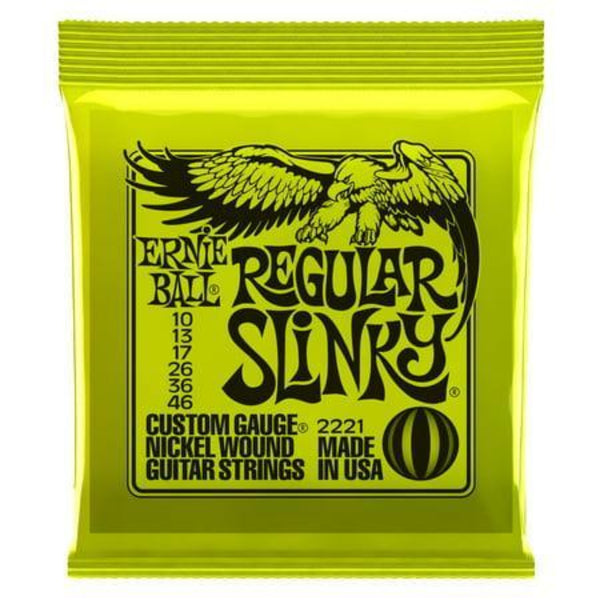
- Use fresh strings. Old strings sound dull and won't stay in tune. If yours look dark or feel gritty, it's time. Shop strings.
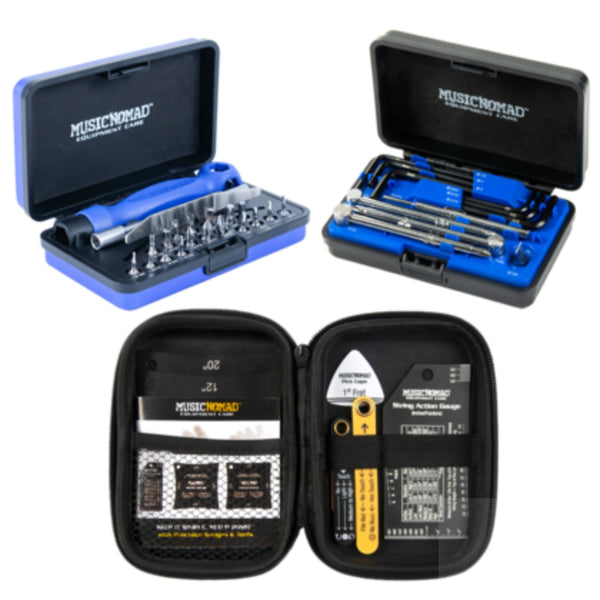
- Check the setup. If the strings sit very high off the fretboard, pressing them down hurts and chords buzz. A proper setup can make a beginner guitar feel dramatically easier. Ask us about setups.
Step 2: Practice a Little, Every Day
Ten to fifteen focused minutes a day beats a two-hour session once a week. Your fingertips need time to toughen up, and your hands learn through repetition. A simple routine:
- Warm up (2 minutes): play each string slowly, fretting one note at a time, and listen for clean tone.
- Learn something new (5 minutes): one chord, one scale shape, or one part of a song.
- Play something you enjoy (5+ minutes): this is what keeps you coming back tomorrow.
Leave the guitar out on a stand instead of zipped in its case. You'll pick it up far more often when it's in sight. See stands and hangers.
Step 3: Follow a Structured Course
Free videos are great for a quick tip, but they jump around. What most new players are missing is a sequence: lessons taught in the right order so each one builds on the last. That's the difference between collecting random riffs and actually understanding the instrument.
That's why we partnered with Adam Loves Guitar.
Meet Our Lessons Partner: Adam Levine

Adam Levine has been teaching guitar for 50 years. His students have gone on to perform with Michael Jackson, George Benson, Celine Dion, and Norah Jones. He served as Director at the Dick Grove School of Music and has taught at Musicians Institute in Hollywood.
His approach treats rhythm, melody, and harmony as one language, so you're not just memorizing shapes. You learn how music actually works on the fretboard, step by step. A good place to start is his 30-Day Fretboard course: about ten minutes a day, with the goal of knowing every note on the neck for good.
- Every age, every level. "Serious" means committed, not advanced. Beginners are welcome.
- Online and self-paced. Learn at home, on your schedule.
- One-time purchase, yours to keep, with a 7-day money-back guarantee.
ECG Music customers get an exclusive discount on every course. It's available only through our link, so be sure to start from our page.
The Short List: Gear That Actually Helps Beginners
You don't need much. These are the items that make the biggest difference in the first few months:
- Tuner - the single most important accessory.
- Picks - grab a variety pack and find the thickness you like. Medium is a good starting point.
- Strap - lets you practice standing up, the way you'll eventually play with others.
- Capo - lets you play songs in different keys using the chord shapes you already know.
- Stand or wall hanger - keeps the guitar out and inviting you to play.
- Case or gig bag - protects your guitar when it travels.
- Instruction books - a nice companion to video lessons for chord charts and theory.
Still Shopping for Your First Guitar?
If you haven't picked one out yet, start with what kind of music you want to play. Strumming songs and singing along usually points to an acoustic guitar; rock, blues, and lead playing often point to an electric guitar. Either way, choose something that feels comfortable in your hands, because the guitar you enjoy picking up is the one you'll learn on. Browse all guitars, and reach out any time if you'd like help choosing.
Keep Playing
Learning guitar is a long, rewarding road, and the first few weeks are the hardest. Keep the guitar in tune, keep it within reach, practice a little every day, and follow a structured course. That's the whole formula.
Get your exclusive ECG Music discount on Adam Levine's guitar courses →